

On a dim October evening, long after the last employee had gone home, the office systems began to stir. In the quiet hum of the server room, something was awake. A username no one recognized. A password that should have been dead. It had been months since its owner left the company, yet here it was, alive again.
Every network has its ghosts. Forgotten admin accounts, orphaned tokens, old credentials buried under layers of documentation. They whisper from the past, waiting for a careless command or a probing attacker to bring them back. Once summoned, they are hard to put down. Some even linger in backups and archives, replicated across systems that no one remembers how to access. Each restoration, each migration, is another séance for the long-departed.
The old IT manager used to joke that accounts never truly die. “They just haunt us,” he’d say, half smiling. But there’s truth in it. Deprovisioning rituals are rarely complete. Somewhere, an integration survives the purge. A test account lingers. A shared password hides in a ticket thread. It takes only one forgotten key for the door to creak open again. And when it does, it seldom knocks first.
In the tales of old, villagers feared the restless dead, the ones improperly buried, whose names were not spoken at dawn. Today’s hauntings are quieter but no less dangerous. The spirits of credentials past can open the gates to modern-day specters: ransomware, lateral movement, privilege escalation. A single neglected account, and the network shudders. Sometimes the warning signs appear too late: an odd login after midnight, a process running where none should be. By then, the haunting is already underway.
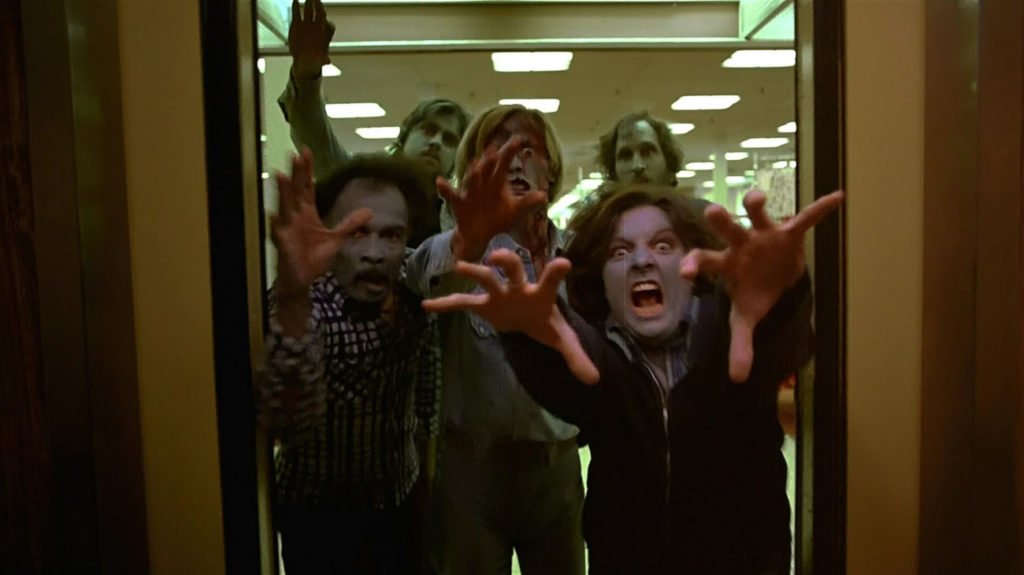
There are stories, whispered between incident responders, of companies where every password seemed possessed. Old integrations rising on their own. Scripts executing from directories that hadn’t been touched in years. One analyst swore she saw a command typed by a user who no longer existed. When she tried to trace it, the trail ended abruptly... as if erased by an unseen hand.
There are ways to keep them at bay. Salt and holy water have given way to stronger protections: ephemeral links that vanish after use, verifications that confirm identity before trust is granted. With Traceless, the ghosts find no purchase. Secrets shared through it fade to nothing after retrieval, leaving no trace for curious hands. And when help desk staff must verify who they’re speaking to, identity checks through Okta, Duo, or Microsoft Authenticator take the place of blind faith.
In older folklore, the bravest souls faced their ghosts directly, naming them aloud to strip them of power. Modern defenders do the same by auditing what’s forgotten: mapping the accounts, keys, and tokens that should have been laid to rest. Visibility is the new exorcism. The trick isn’t just to block what’s malicious, but to reveal what’s undead.
It’s a cleaner kind of ending, the kind that leaves no lingering presence behind. Because in cybersecurity, as in folklore, the only safe ghost is the one that can’t come back.
This Halloween, remember: it’s not the shadows outside the window that should scare you. It’s the ones hiding in your systems. The undead credentials, the forgotten keys, the names that no longer belong to anyone living. Keep them buried deep, or better yet, let them disappear entirely.
If your network’s starting to feel haunted, it might be time for an exorcism. Book a Traceless demo: we promise our ghosts don’t linger.